Where Stalls Become Stories
Step into a world where ordinary streets open portals to shared histories and future friendships. Today we explore Street Markets as Cultural Gateways, tracing how open‑air bazaars bridge languages, cuisines, and crafts, revealing identities, sustaining livelihoods, and inviting every traveler to listen, taste, and belong. Share your most vivid stall‑side discovery, subscribe for weekly wanderings, and help map the small negotiations and generous gestures that keep cities humane, surprising, and alive.
First Light Over the Stalls
Before alarms ring across the city, tarpaulins snap like sails, steam rises from kettles, and quiet lanes begin to breathe. The choreography looks improvised yet practiced: ropes tied, crates stacked, greetings exchanged. Here, routine becomes ritual, and ritual becomes the daily invitation to step closer, ask questions, and trade not only goods but glances, laughter, and fragments of belonging that turn an ordinary morning into a living atlas of neighbors.
Culinary Crossroads You Can Taste
A single aisle can leap continents: turmeric rides a breeze toward ripe peaches, chilies glow beside olives, and unfamiliar herbs introduce themselves by fragrance first. Flavors travel faster than passports, translating delight without stumbling. Vendors become ambassadors through recipes, and tasters learn diplomacy with every cautious bite. Bring your palate’s bravest memory, the sip or crunch that surprised you, and the kindness that came free, folded inside a napkin or smile.
Pinch saffron between fingers, crush cumin warm from a pan, and you are suddenly walking beside sailors, porters, and patient grinders who measured time by aroma. These pouches are libraries; their indexes are color and heat. Notice how a seller leans closer when curiosity brightens your eyes. Share the blend you swear by, the family ritual it protects, and how certain scents return like old friends when rain hits hot stones.
A bench becomes a diplomatic table when strangers agree to balance bowls and pass water. First, the steam lifts; then names follow. Food loosens grammar, letting imperfect words land softly between satisfied nods. Volunteers stir sauces while grandmothers correct the sequence of spices with affection. Tell us about the dish that taught you to pronounce gratitude differently, and the neighbor who insisted you take the last piece because joy multiplies when given away.
Some recipes wander like folk songs, changing tempo with every stop. A vendor folds in local greens because the market yielded them fresh; another swaps wheat for sorghum when the season speaks. Improvisation keeps traditions breathing rather than embalmed. Have you watched a cook redefine authenticity with generosity, explaining why memory matters more than measuring spoons? Describe how your own kitchen adapts, carrying lineage forward without trapping it in glass.
The Art of the Counteroffer
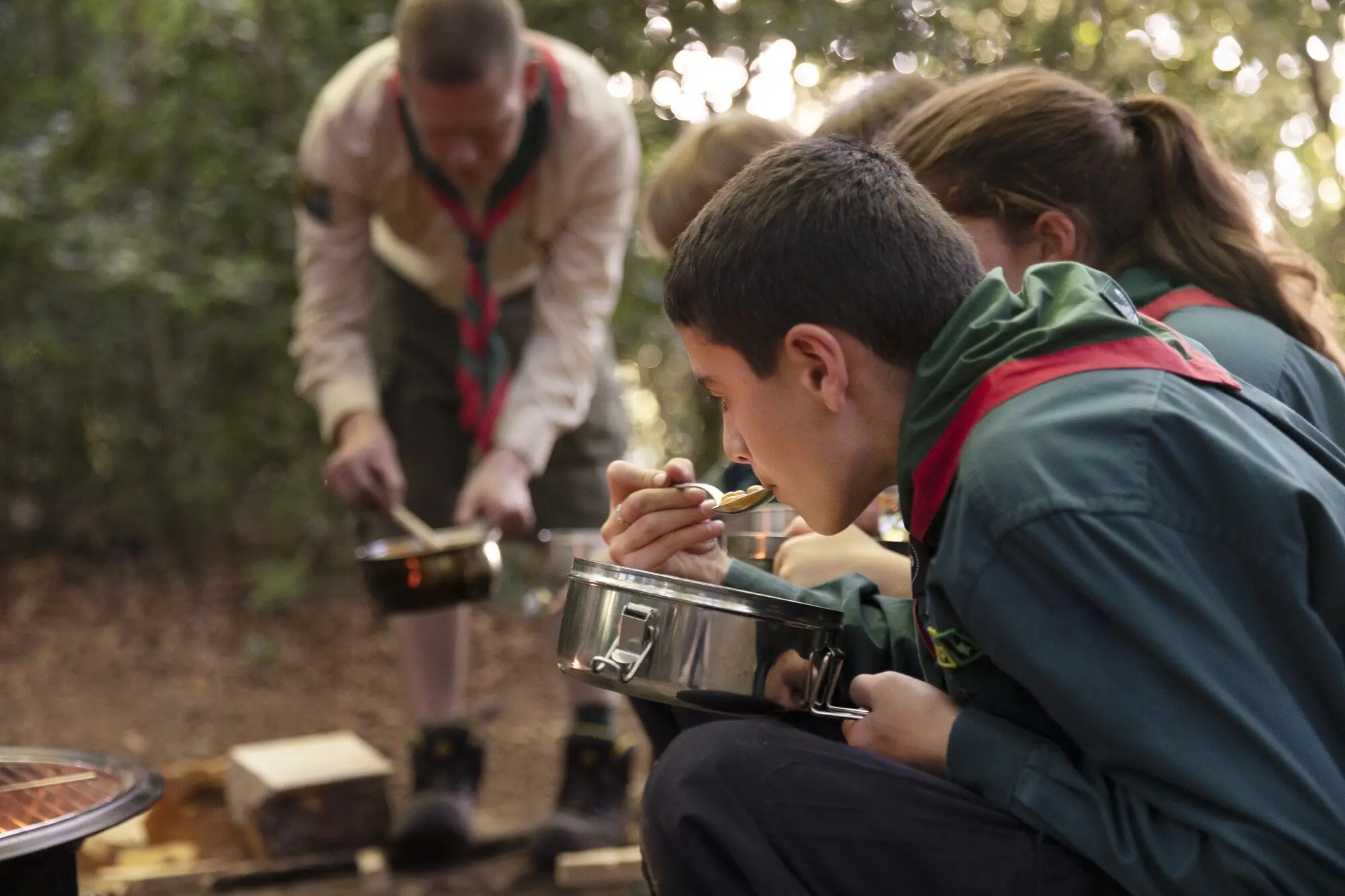
The first price is a prologue, not a verdict. Counteroffers carry weather reports, rent worries, tourist seasons, and the dignity of work. A fair exchange lets both parties walk away lighter, not smaller. Consider the cadence of your voice, the space you leave for reconsideration, the praise you offer for craftsmanship. Tell us how you learned to name worth without bruising pride, and what signals tell you it is time to shake hands.
Gestures That Speak Volumes
Palms raised to promise honesty, fingers pinching air to indicate a little less, a tilted head announcing curiosity rather than challenge. Many languages meet here, and none dominates entirely. Humor bridges misunderstandings faster than dictionaries, while patience repairs minor collisions gracefully. Recall a time a simple motion solved what words tangled, and explain the motion you adopt when entering a new space so you arrive as listener first, customer second.
Small Hospitality, Big Bridges
A paper cup of tea, a slice of orange, a chair offered when knees complain—such gestures cost cents yet purchase trust pricelessly. Markets teach reciprocity without textbooks; kindness returns wearing a different hat tomorrow. If a stranger ever championed you, directed you to the best stall, or taught you the local way to say good luck, tell that story, and how it changed the route your feet chose afterward.
Handmade Legacies in Plain Sight
Threads That Remember
Weavers speak in warp and weft, storing geography inside pattern. A border echoes mountains, a rhythm recalls seasonal winds, and colors promise rain. Watch how a seller turns cloth to catch light like water, revealing depths hidden on the fold. Tell us about the textile that surprised your fingertips, the garment repaired rather than replaced, and how wearing something storied changed the way you stand, greet, and respect shared pasts.
Mending as Creative Practice
Needles rescue what haste abandons. Visible mending, bright against dark, transforms flaws into maps of resilience. Markets champion repair stalls where buckles are reborn and zippers receive second chances. When breakage meets skill, landfill sighs with relief. Describe the fix that extended an object’s life, the artisan who taught you steadier hands, and how choosing repair over replacement introduced you to neighbors who celebrate patience more loudly than novelty.
Buying with Care and Context
Asking who made this, how long it took, and what materials were chosen turns a purchase into partnership. Questions honor intention, discourage imitation, and illuminate fair pricing beyond the cheapest sticker. When we pay for story and skill, we vote for schools, apprenticeships, and morning lights switching on. Share how you decide what is worth bringing home, and the pledge you keep to carry appreciation louder than possession.
Sound and Spectacle between the Aisles
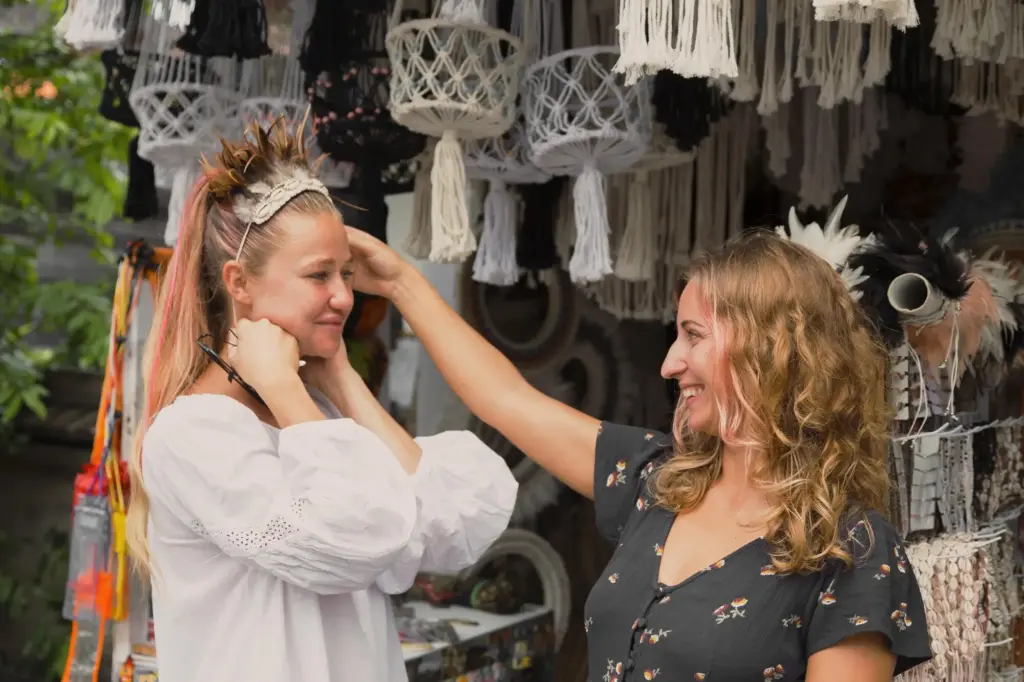
Music leaks from radios patched with tape; a busker’s bow saws against strings; frying oil applauds each plunge. Announcements tumble over laughter while negotiators narrate their tiny dramas. This is theatre without tickets, improvisation with inheritance. Participation is the price of admission: clap, nod, taste, ask. Tell us which melody unlocks childhood for you, and which fragment of overheard dialogue followed you home like a lighthouse hum.
Resilience, Innovation, and Tomorrow’s Streets
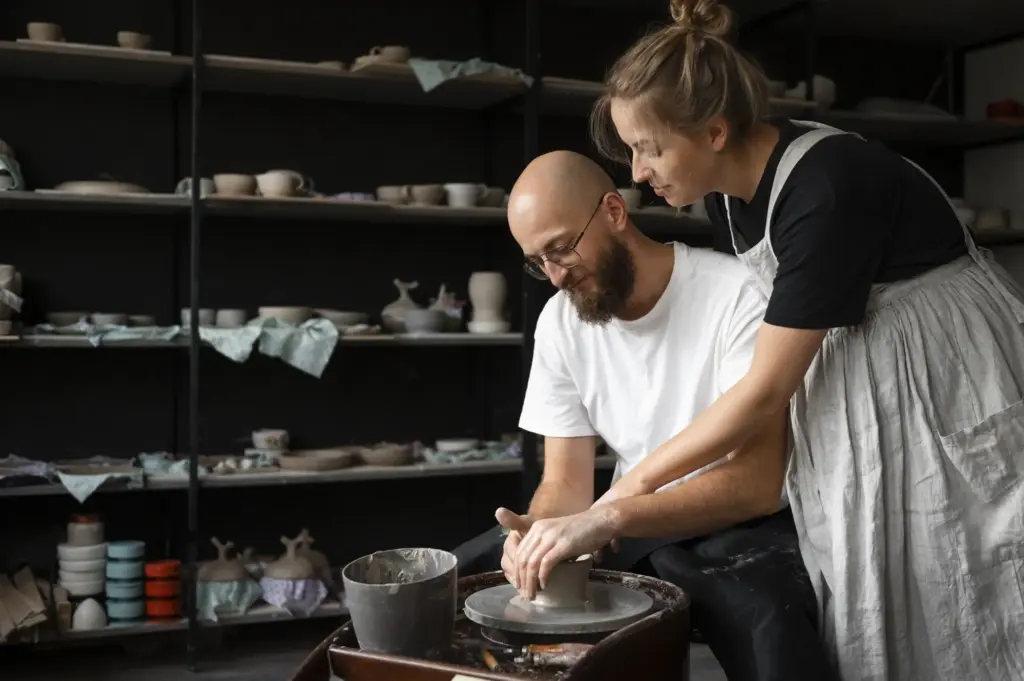
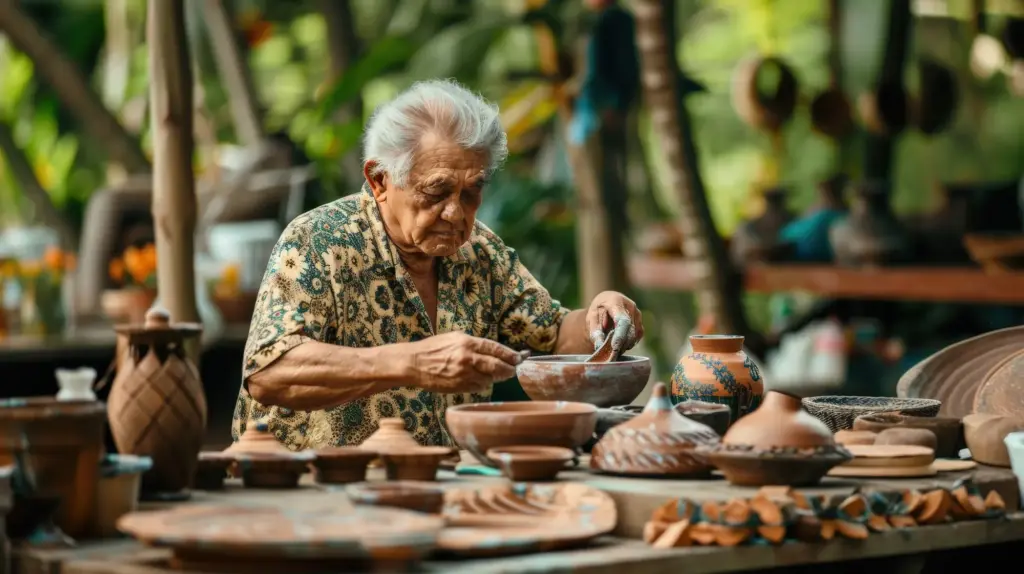
When storms come, canopies flex; when rules shift, layouts breathe; when scarcity knocks, cooperation answers first. Adaptation is the craft that undergirds all others. From digital wallets clipped to aprons to co‑ops coordinating bulk purchases, ingenuity keeps doors open even when there are no doors. Tell us the solution you witnessed born from constraint, and join our updates to follow ideas traveling from one city to the next like sunlight.
All Rights Reserved.