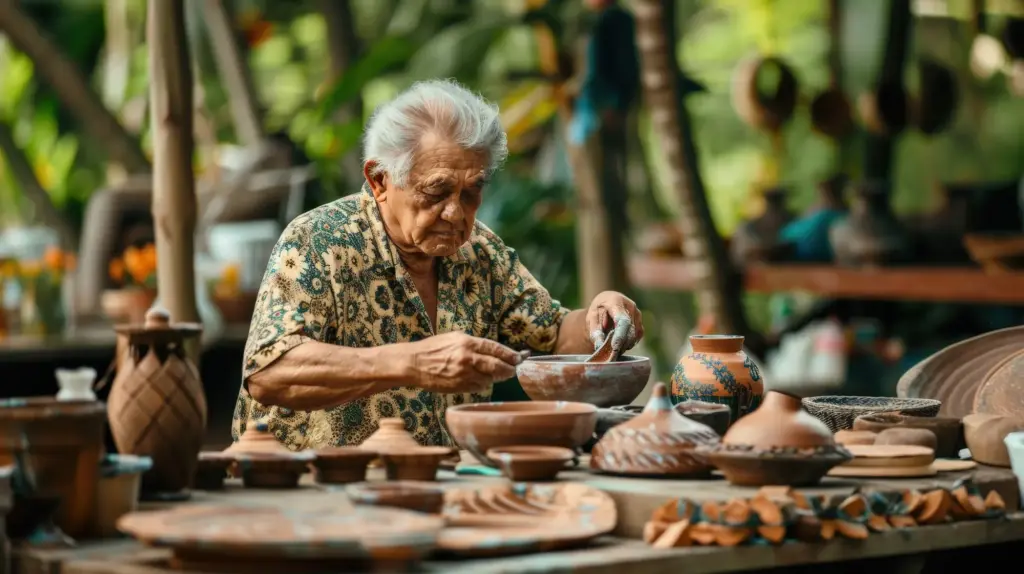
Streets Alive with Craft and Memory

Join us as we explore Craftsmanship at Street Fairs: Preserving Indigenous Knowledge in Urban Spaces, following artisans who transform sidewalks into studios and markets into classrooms. Along the route, expect practical guidance, heartfelt stories, and ways you can participate, support, and keep traditions flourishing without fossilizing them.

Walking Markets, Living Memories

When stalls unfurl beneath city trees and awnings, the air fills with scents of cedar, clay dust, and simmering dyes, and histories become audible again. Street fairs animate ancestral practices within hurried neighborhoods, turning errands into encounters where hands, eyes, and hearts learn. Here, living memory resists erasure, greeting subways and crosswalks with techniques carried through generations and adapted for today’s gritty, vibrant pavements.

Materials with Ancestral Echoes

Every material holds a map. Cedar recalls fog-soaked mornings and careful stewardship; clay remembers riverbends, silt, and ceremonial fires; wool whispers of grazing paths and community gatherings. In dense urban grids, these substances reintroduce texture and time, reminding passersby that making begins with respectful harvesting, reciprocity, and knowledge of seasons, soils, songs, and shared obligations.


Stalls as Open-Air Classrooms

Thoughtful booth design turns sidewalks into participatory studios. Benches invite lingering; shade shelters delicate dyes; tools rest where questions naturally rise. Demonstrations are paced for understanding, not spectacle, and stories unfold with consent from knowledge keepers. The result is an unhurried, shared curriculum where visitors learn with their bodies, eyes, and voices together.

Safeguarding Knowledge with Consent

Preservation without permission is extraction by another name. Ethical practice centers consent, context, and community control. Documentation aligns with cultural protocols; some techniques remain closed or ceremonial. Fair contracts, clear credit, and shared decision-making keep stories from being flattened, commodified, or misattributed once they travel into galleries, feeds, and global supply chains.

City Policy and Community Power

Supportive urban policy can nourish cultural continuity. Simple permits, fee waivers, and predictable schedules stabilize participation. Collaborative planning with Indigenous councils prevents conflicts, improves safety, and protects sacred expressions from misuse. When cities listen, fairs become cultural infrastructure, not occasional spectacle, weaving resilience into parks, plazas, transit corridors, and neighborhood economies.

Permits that protect, not police

Streamlined approvals with clear, multilingual guidance reduce stress and last-minute cancellations. Policies recognize cultural demonstrations as educational, allowing tools and materials otherwise misunderstood. Mediation channels address complaints without criminalizing vendors. The outcome is trust: artisans plan confidently, neighbors feel included, and the city signals that continuity of culture is a civic priority.

Microgrants with macro impact

Small funds cover canopy repairs, travel stipends for elders, childcare during markets, and safer storage for tools. These modest investments return as robust participation, better demonstrations, and youth apprentices who can actually afford to show up. Accountability flows both ways, with community-led reporting that values stories and relationships alongside receipts.

Sustainable Futures in Crowded Streets

Ecological care is inseparable from cultural care. Booths model low-waste practices; makers prioritize renewable, responsibly gathered inputs; and repairs replace disposal. Urban fairs become laboratories where compostable packaging, shared tools, and energy-wise demonstrations prove that tradition and sustainability amplify each other, guiding cities toward gentler habits that still feel celebratory and abundant.

Waste-free booths are possible

Vendors pack reusable drop cloths, lend cups, and collect trimmings for future projects. Compost stations sit beside dye pots with clear guidance. Signage invites customers to refuse bags and return containers. The mood stays festive because stewardship is framed as participation in the craft, not a scold about failure or inconvenience.

Local sourcing, shorter journeys

Materials gathered within regional watersheds reduce emissions and increase accountability. Buyers learn which plants, minerals, and fibers thrive nearby and which require import with care. Transparent maps at stalls trace journeys from source to stall, turning each purchase into a pledge to support ecosystems and the communities who tend them.