Hawker Centres: Where Flavors Build Bridges
Shared Tables, Shared Understanding
Hainanese Chicken Rice and Maritime Maps
Roti Prata and the Tamil Diaspora
Round Tables that Remove Corners
Circular seating prevents cliques from hardening, allowing newcomers to slip in and be acknowledged. Without head-of-table hierarchies, introductions emerge naturally, and dishes travel clockwise, creating a gentle ritual of sharing that feels inviting, dignified, and beautifully ordinary all at once.
Open Kitchens as Transparent Stages
Sizzling woks spark questions about sauces, techniques, and heat, while cooks showcase discipline, cleanliness, and pride. Transparency nurtures trust, and trust loosens tongues; suddenly strangers compare childhood recipes, swap spice advice, and translate menu quirks, building rapport that travels far beyond the lunch hour.
Shared Trays, Shared Hygiene Norms
Common tray-return stations and visibly posted cleanliness grades turn individual responsibility into cooperative habit. When everyone participates, the environment signals mutual respect, making it easier to strike up friendly talk, offer to help, and model consideration that echoes larger diplomatic commitments to collective wellbeing.
Economic Access, Diplomatic Access
Coin-Level Inclusion Builds Confidence
Being able to buy two small plates instead of one big commitment encourages playful discovery. That flexibility empowers cautious diners, validates diverse appetites, and creates cheerful moments of generosity, like splitting satay skewers with neighbors and realizing shared pleasure costs little yet accomplishes wonders for goodwill.
Vouchers as Bridges, Not Band-Aids
When municipalities distribute food vouchers or host community tastings, they signal belonging rather than charity. These programs invite residents to explore new stalls together, comparing notes, swapping recommendations, and building confidence that civic institutions can taste fair, friendly, and refreshingly practical in daily life.
Tour Guides and Exchange Students Converge
Groups seeking authenticity find common ground beside trays, sharing itineraries, learning slang, and discovering where locals really eat. Informal mentorship blooms, with regulars explaining spice levels and etiquette, turning layovers into lessons and semester abroad lunches into unforgettable chapters of patient cross-cultural friendship.
The Tissues on the Table
Seat-saving with a tissue packet can bewilder newcomers, yet it opens a teachable moment about local courtesy, efficiency, and mutual understanding. Explaining the practice gently transforms confusion into appreciation, proving that small signals, when interpreted kindly, can anchor peaceful coexistence during busy, competitive lunch hours.
Halal Logos and Diverse Lunchtimes
Clear certification and stall labeling help colleagues, classmates, and visitors dine together confidently. Visible respect for dietary laws protects dignity while extending invitations, turning potential friction into shared planning, synchronized orders, and easy camaraderie that carries over into projects, partnerships, and evening community events.
Chili Heat and Negotiated Tastes
When someone asks to tone down the sambal, it is not rejection but care for comfort, an opening to discuss limits and preferences. Negotiating heat levels becomes practice for harder conversations, showing how empathy, listening, and compromise elevate every plate and every partnership.
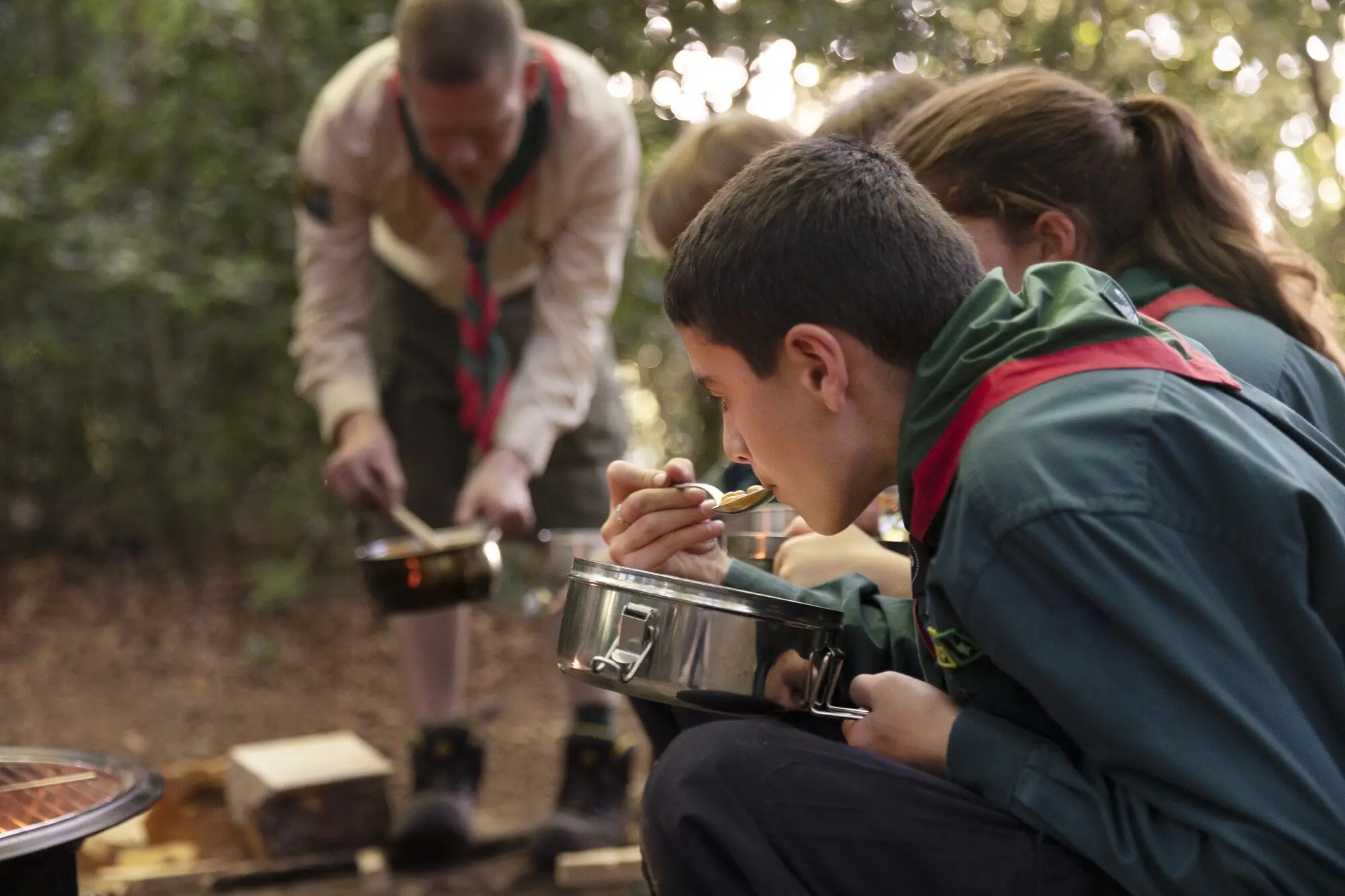
UNESCO Spotlight and Everyday Pride
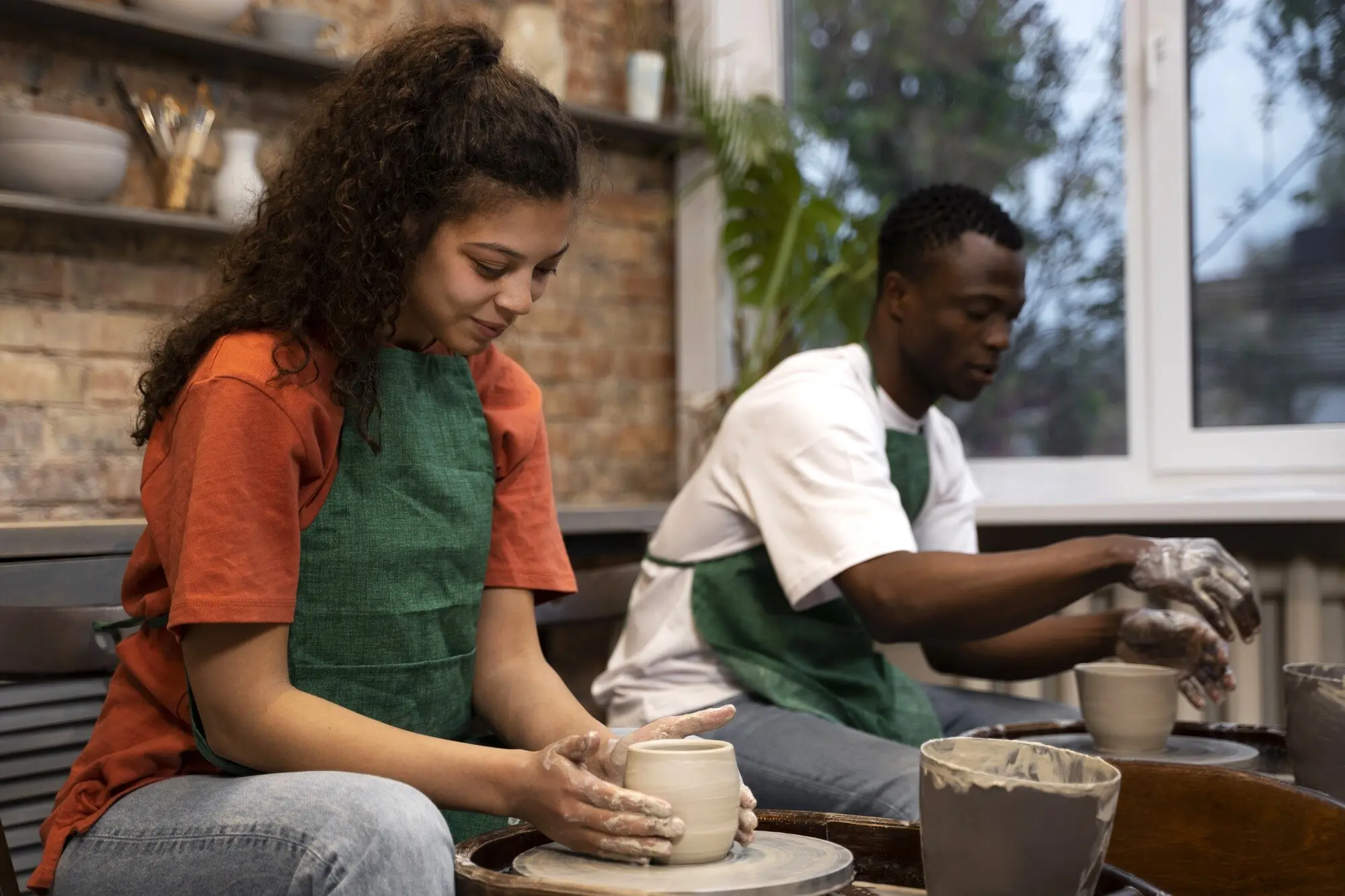
Cooks as Cultural Envoys
All Rights Reserved.